


Step 1
Go To The Deposit Page
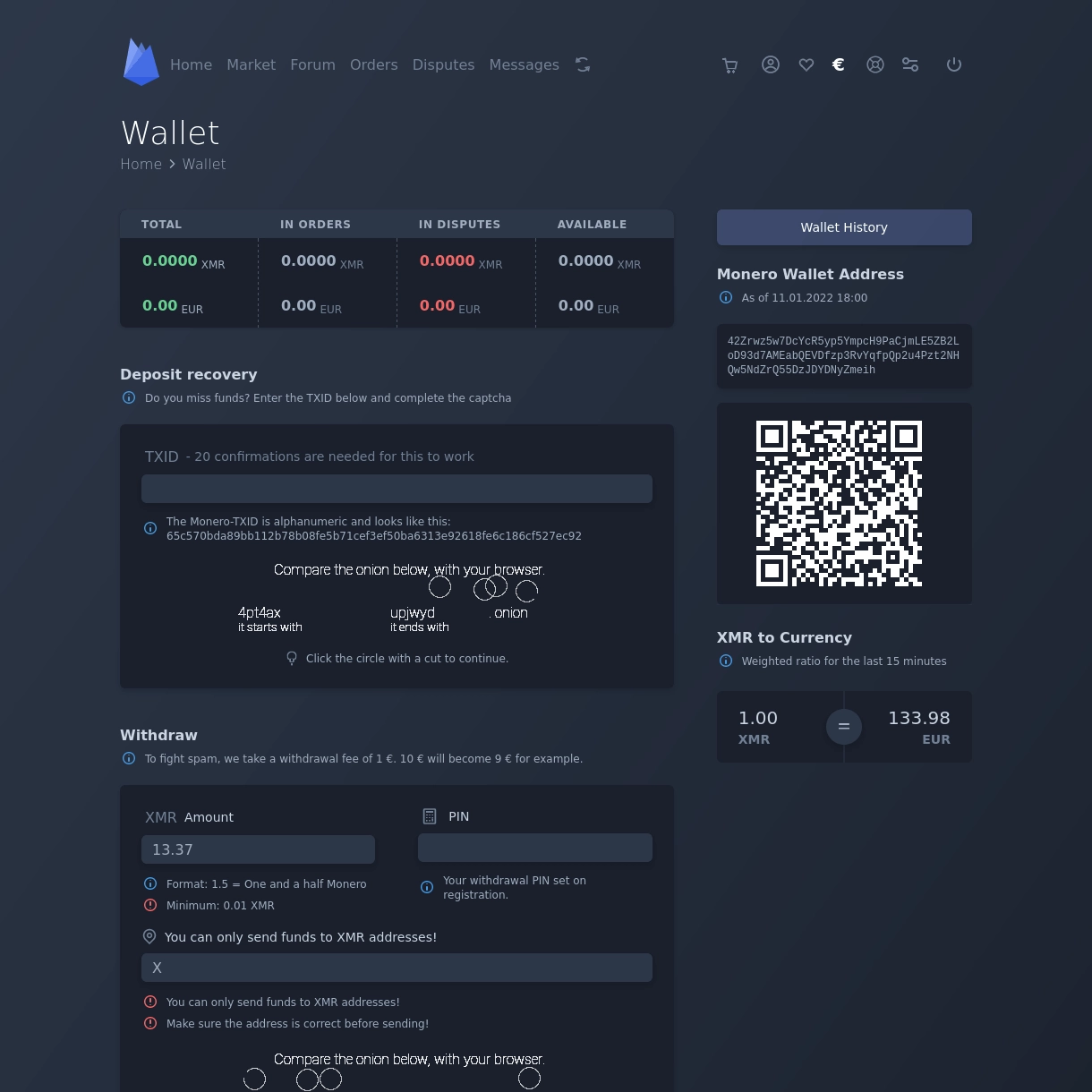
To begin funding your account, navigate to the deposit section of the platform. This area is typically available from your main dashboard, account menu, or wallet overview. Once the deposit page opens, move your attention to the displayed payment details. Here you will find a unique Monero deposit wallet address (XMR). This address is generated specifically for your account and serves as the destination for the coins you send. Treat it as your personal inbound payment identifier.
Directly below the wallet address you will also see a corresponding QR code. Scanning this code with a mobile wallet app fills in the address automatically, which helps reduce typing mistakes and speeds up the process if you are transferring between devices. If you prefer, you can still copy the address manually using the copy button placed near the code.
Before moving further, it is worth taking a moment to understand how this address works. Your deposit address may remain consistent over time or change periodically depending on platform policy. In either case, always use the address currently shown on the deposit page at the moment of your transfer. Relying on an old address from a previous visit can lead to delays or loss of access to the sent funds.
Always make sure you are using the correct deposit address for Monero transactions. Sending any other cryptocurrency to this address may result in permanent loss of funds. Bitcoin, Ethereum, Litecoin, and other assets operate on different networks and cannot be recovered if sent to an incompatible wallet. If you have any doubts, double-check the address format and selected network before authorising a transfer.
One more useful habit is to refresh the deposit page before copying the address. This ensures you are viewing the most up-to-date information and not a cached version of the page from an earlier session. A few seconds of verification can prevent serious mistakes later.
Step 2
Sending Coins To A Deposit Wallet
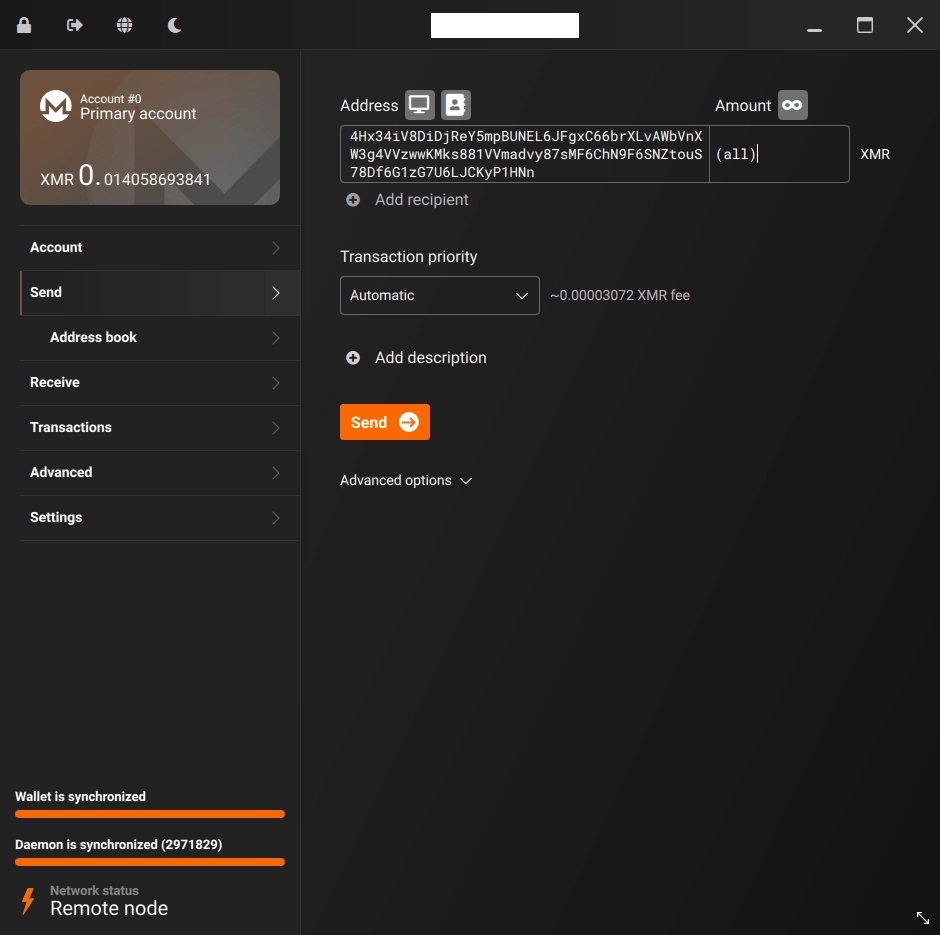
After you have copied the unique Monero deposit address, open the cryptocurrency wallet you intend to send coins from. This can be a desktop wallet, a mobile app, a web-based wallet, or a hardware wallet connected to a compatible interface. The exact layout will differ between wallets, but the core actions remain the same. Locate the send or transfer section, which is usually marked as “Send”, “Withdraw”, or a similar action.
In the transaction form, paste the deposit wallet address into the recipient address field. Then move to the amount field and enter the number of coins you wish to deposit. Review the amount carefully because Monero transactions are irreversible once broadcast and confirmed on the blockchain. An incorrect amount sent to a correct address cannot be easily reversed or recovered through standard wallet tools.
Some wallets allow you to include a payment ID or note alongside the transaction. For standard deposits, this is usually not required. Unless the platform explicitly instructs you to include a specific identifier, leave these optional fields empty. Adding unnecessary data can occasionally complicate the processing of your incoming payment.
Before proceeding, check the transaction fee displayed by your wallet. Depending on network conditions, you can sometimes adjust the fee to influence how quickly the transfer is processed. Higher fees generally encourage faster inclusion in a block, while lower fees may result in longer waiting times during congested periods. If you are not in a hurry, a moderate or default fee is usually sufficient.
After verifying all details, click the send button. If your wallet is protected by a password, PIN, passphrase, or two-factor authentication, complete that step to authorise the transaction. Some wallets may also ask you to confirm the recipient address a second time as a security measure. Take advantage of these prompts and verify the address once more before final confirmation.
Once the transaction is broadcast, you can typically track its status within your wallet. Monero offers enhanced privacy, but your wallet will still show whether the transaction is pending or completed from your side. Keep the transaction ID or hash available until the deposit is fully credited to your account, as this identifier is useful if you need to investigate a delay later.
Step 3
Check The Receipt Of Funds
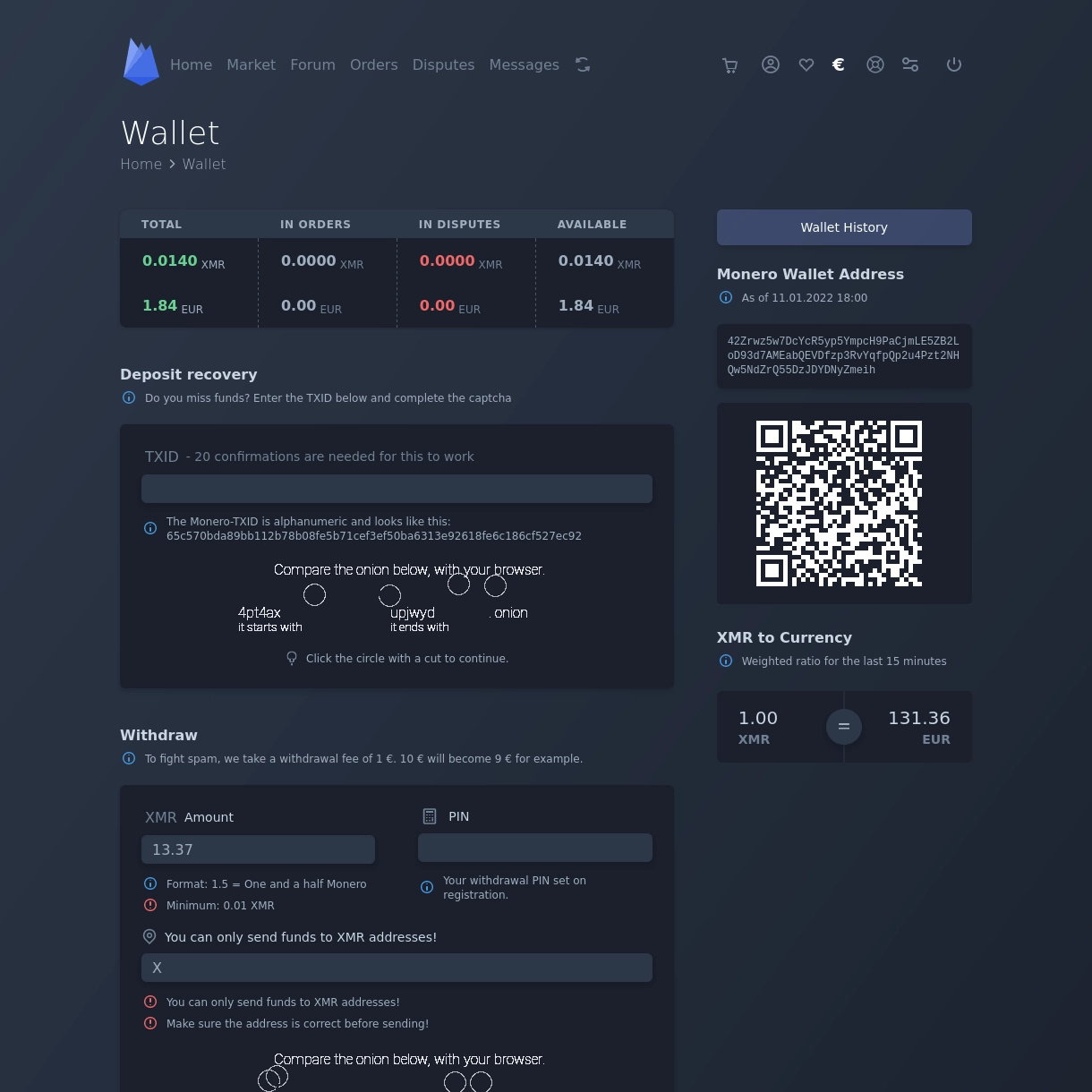
After you have submitted the transaction from your personal wallet, return to the deposit page on the platform. The arrival time of Monero funds can vary depending on network traffic, the transaction fee you selected, and the number of confirmations required by the platform. This process may take anywhere from a few minutes to considerably longer during busy periods, so a little patience is often needed. Do not immediately assume something went wrong if the balance does not change within the first minute.
Once the deposit has been detected and confirmed, your account balance will update automatically. You should see a record of the incoming transaction together with the updated total of coins available in your wallet on the same page or in a related transaction history section. In some cases, the history may show a status such as pending before the deposit is fully credited. This is normal and simply means the platform is waiting for additional network confirmations.
The number of confirmations required can vary. Some platforms credit deposits after a single confirmation, while others wait for several blocks to reduce the risk of chain reorganisations affecting the transaction. If your deposit remains pending after the network has clearly processed the transfer, avoid making a second payment unless you have confirmed through official support that the first one was not received.
If your balance does not update after a reasonable amount of time, first verify the transaction on the blockchain using the transaction ID from your sending wallet. A block explorer can show whether the transaction has been included in a block and how many confirmations it has received. Then confirm that you sent the correct cryptocurrency and used the exact deposit address shown on your account. Small differences in address characters or sending the wrong asset are among the most common causes of missing deposits.
If everything appears correct but the funds are still missing, seek guidance through the official support or forum channels. Provide relevant details such as the transaction ID, the deposit address used, and the time of the transfer. Avoid sharing sensitive wallet information or private keys, as legitimate support representatives will never ask for those details.
Keeping a personal record of your transaction IDs and deposit addresses can help resolve any potential issues more efficiently. This practice also makes it easier to monitor your own activity without relying solely on platform notifications. A simple note with the date, amount, sending wallet, and transaction ID can save time if you ever need to trace a payment across multiple services.
For users who deposit regularly, developing a consistent checking routine is helpful. Wait for the platform to update the balance, confirm the incoming transaction appears in history, and reconcile the amount against your own wallet records. These habits reduce confusion and give you a clearer picture of your available funds at all times.